India’s gateway to the
world stage.
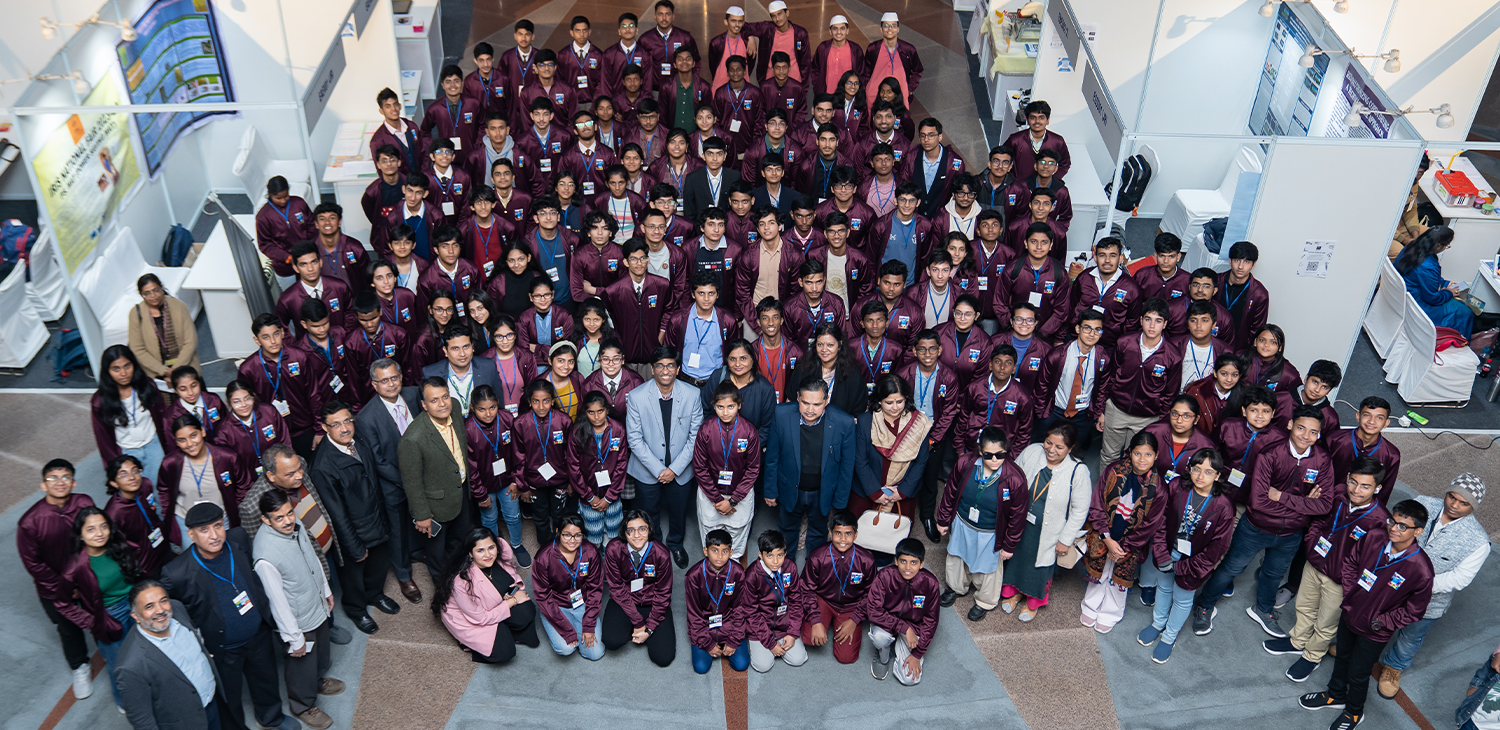
Initiative for Research and Innovation in STEM — India’s premier student science competition, promoting and nurturing scientific research among young innovators from Classes 5–12 across government, semi-government and private schools pan India.
More than a competition —
a launchpad.
“IRIS is a program by EXSTEMPLAR Education Linkers Foundation which aims to promote and nurture science and scientific research among young Indian innovators, from government schools pan India.”
The objective is to recognise and reward outstanding scientific research projects, offering a platform to young innovators (Classes 5–12) to showcase their talent at a national level. Beyond the awards, IRIS provides mentorship and global exposure.
Winners represent India at the Regeneron International Science and Engineering Fair (ISEF) — the world’s largest pre-collegiate STEM competition, where students from 80+ countries compete. It’s where curiosity meets opportunity.
Running since 2006, IRIS has sent hundreds of Indian student scientists to ISEF, with alumni earning top awards at institutions including the 42nd Annual Research Science Institute at MIT.
21
Subject categories spanning science, engineering, technology and the social sciences.
Cl. 5–12
Open to students from government, semi-government and private schools across India.
2006
Nearly two decades of nurturing India’s brightest young scientific minds.
ISEF
Top performers represent India at Regeneron ISEF — Phoenix, Arizona, May 2026.
Science, engineering &
everything in between.
Who can participate —
and what we look for.
Who can participate
- Indian Origin, Classes 5–12Students residing and studying in schools based in India, from government, semi-government and private institutions.
- Individual or Team of TwoProjects may be submitted individually or as a team of exactly two students.
- Original & Innovative ThinkingWork must demonstrate original research supported by experimental data, or novel engineering improvements over existing solutions.
- Data Within 12 MonthsExperimental data cannot exceed 12 months old, though projects may extend previously started work.
IRIS will not consider any project synopsis for evaluation or participation from a student who has registered for a previous IRIS as a student of Class 12.
What we don’t accept
- Textbook experiment replication (e.g., oxygen generation, seed germination)
- Science essays or survey reports without personal experimentation
- Unsubstantiated hypotheses lacking personal experimental work
- Claims violating established scientific laws (e.g., perpetual motion)
- Toxicity studies causing vertebrate death
- Display-only models without a research foundation
Five steps to the
world stage.
The Annual IRIS Cycle.
Mentoring Camp for Partner Fair Winners
Virtual camp for national-level achievers from IRIS partner fairs.
VirtualProject Submission Deadlines
Submit your synopsis, research paper and project video on the IRIS website. Online submissions only.
IRIS WebsiteSRC Project Evaluation
The Scientific Review Committee evaluates all submissions against national and international standards.
Jaipur, RajasthanIRIS National Fair
Shortlisted students present their research. Grand prize and special awards announced.
Bengaluru, KarnatakaMentoring Camps
Intensive mentoring for ISEF-bound students from India’s scientific community.
New DelhiISEF Preparation
Quad charts, scientific posters, paperwork and briefings for the Indian contingent.
Gurugram, HaryanaRegeneron ISEF 2026
India’s top student scientists compete at the world’s largest pre-collegiate STEM competition.
Phoenix Convention Centre, Arizona, USA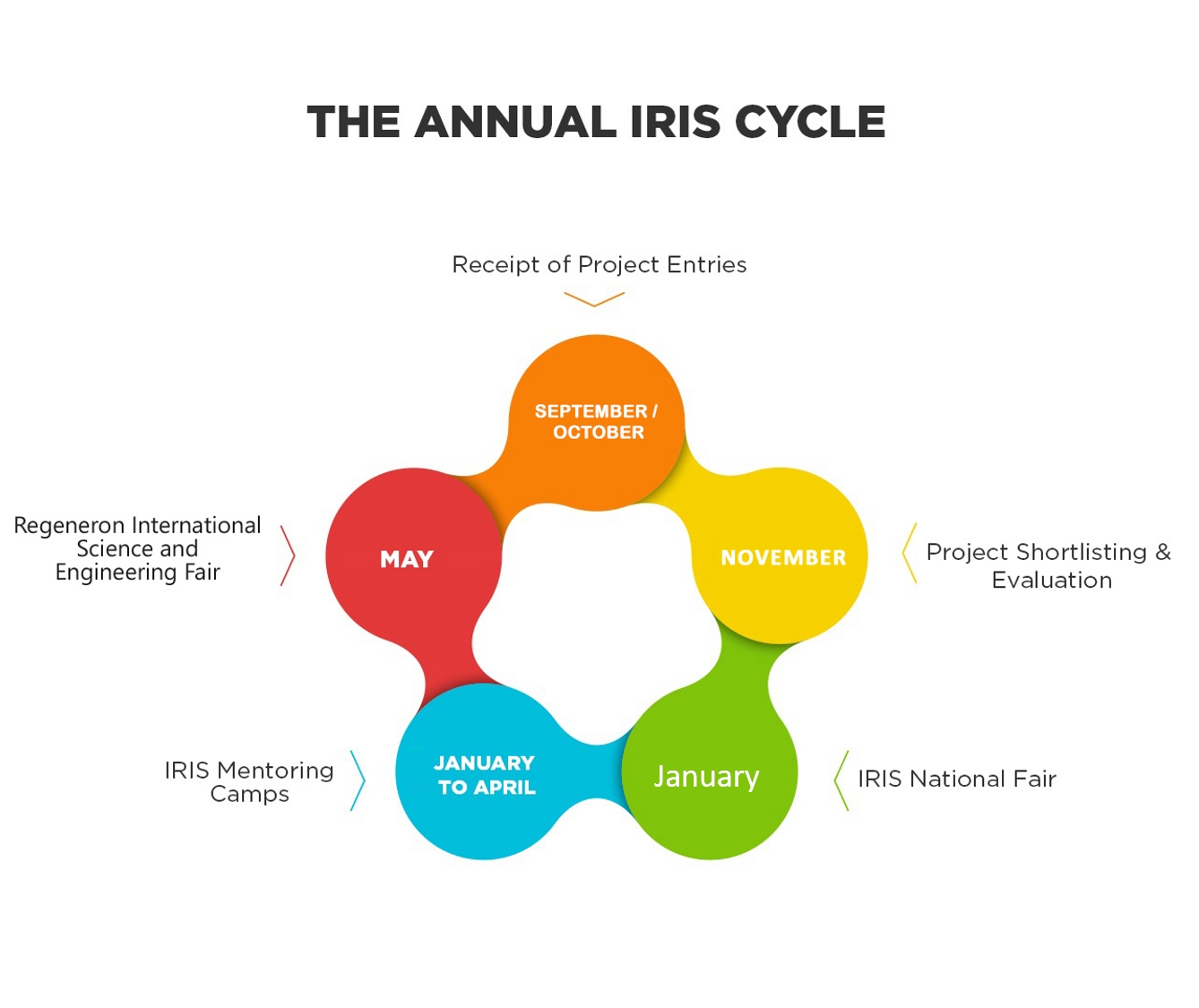
Your questions,
answered.
Who can apply to IRIS?
Can I submit a project as a team?
What is the registration fee?
What do I need to submit?
When are the submission deadlines?
What happens if I’m selected at the National Fair?
I’m a Class 12 student who applied before — can I apply again?
What kind of projects does IRIS not accept?
Recognising excellence
beyond the podium.
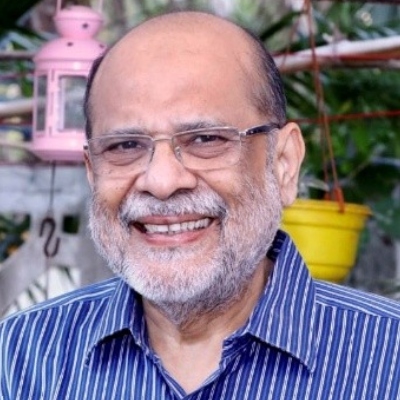
Recognises distinguished contributions to ecology, sustainability and environmental stewardship. Dr. Ismail directs the Scientific Review Committee with 80+ published papers and has mentored 52 advanced students.
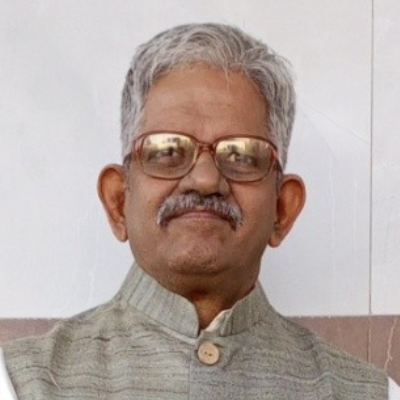
Honours outstanding materials research. Dr. Ranganathan brings 30+ years of scientific leadership in metallurgy, process development and the circular economy, with 20+ patents to his name.
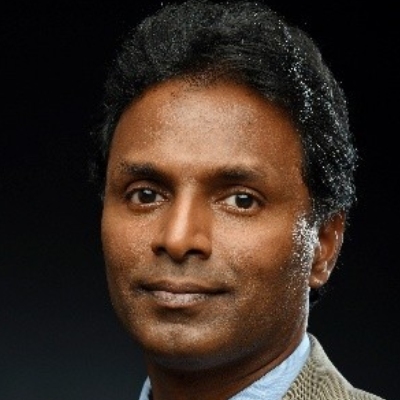
Supports STEM equity initiatives. Mr. Palsamudram established Research Science Initiative India and STEM for Girls programs, and serves on international STEM advisory boards.
India on the
global science stage.
Since 2006, IRIS has been India’s gateway to Regeneron ISEF — the world’s largest pre-collegiate science and engineering fair, held annually in the United States. Each year, top IRIS National Fair winners are selected to represent India alongside students from over 80 countries.
IRIS alumni have gone on to earn prestigious recognition at institutions including the Research Science Institute (RSI) at MIT, and have represented India at the highest levels of international scientific competition — bringing home special awards and global recognition.
The programme has run continuously since 2006, with a brief pause in 2020–21 due to the global pandemic. The 2026 edition takes place at the Phoenix Convention Centre, Arizona, in May.
2020–21: Paused due to global pandemic • 2026: Phoenix Convention Centre, Arizona, USA
Two decades of
young innovators.
Backed by institutions that
believe in young science.
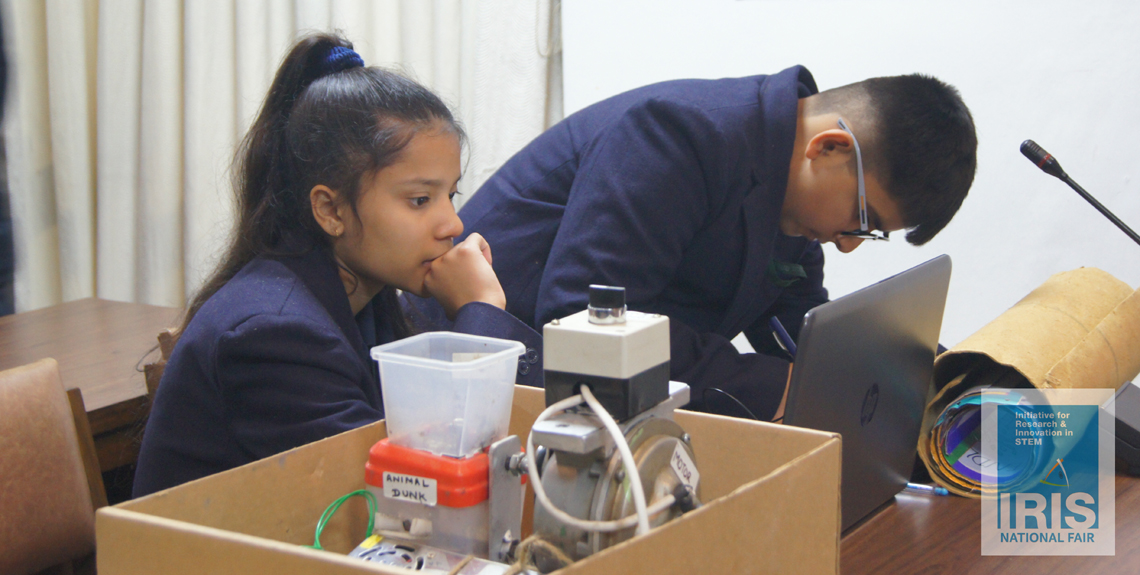
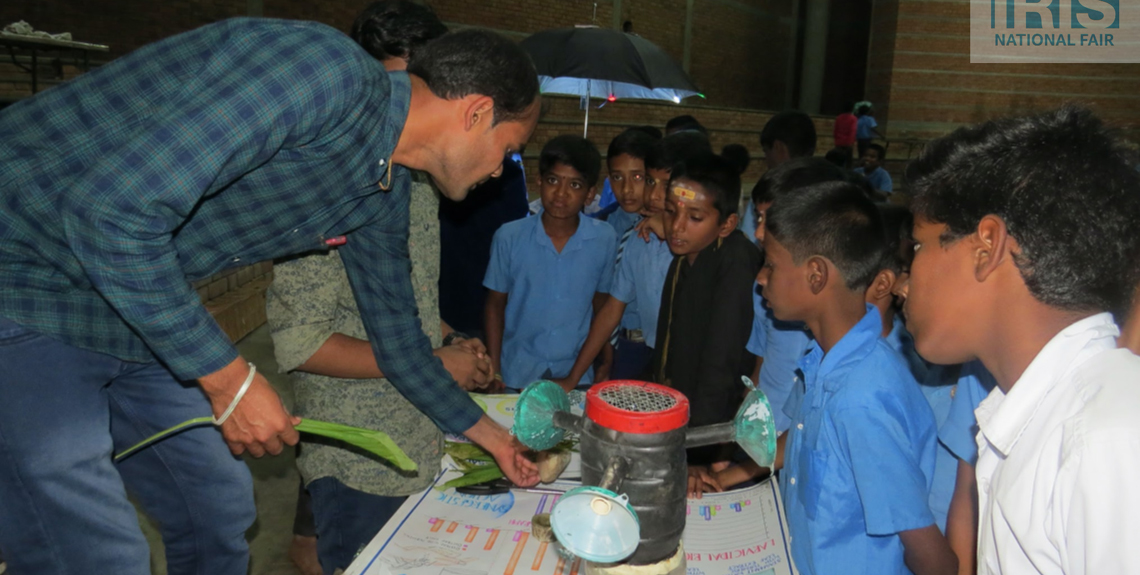
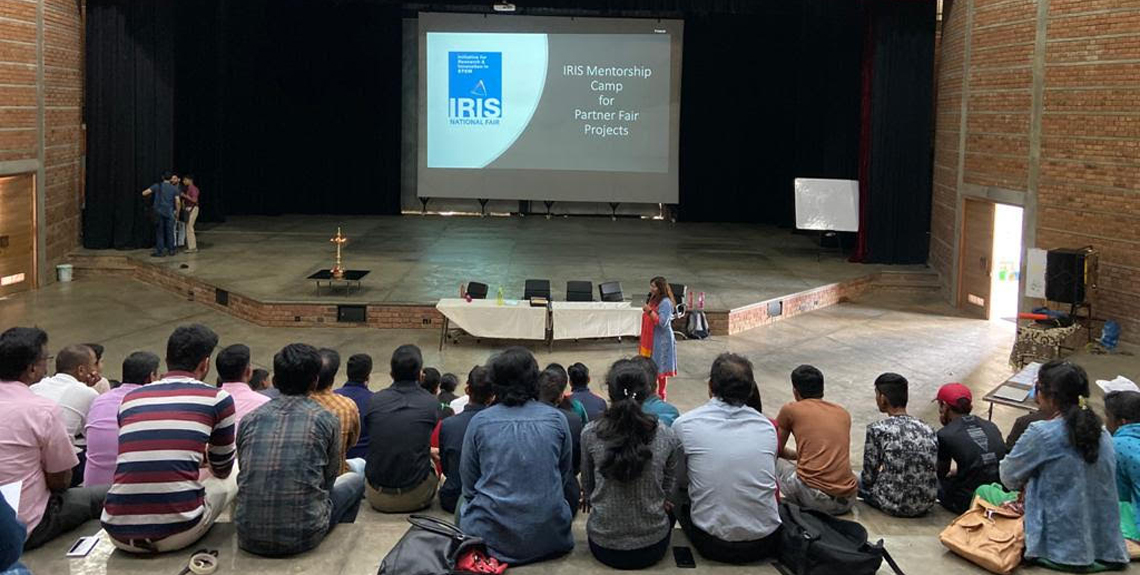
Dedicated mentoring camps held in Kuppam, Andhra Pradesh and New Delhi for national-level achievers from partner fairs.
Historical supporters — 2006–2019: Intel & DST • 2020–2024: Broadcom & DST
Ready to put your research on the map?
Submit your project synopsis and take the first step toward representing India at the world’s largest pre-collegiate science fair.
₹5,000 + taxes per project • EWS fee waiver available • Online submissions only